A Republican Governor Vetoed a Lab-Grown Meat Ban — Then Signed a 5-Year Freeze Instead
South Dakota became the 8th US state to restrict cultivated meat, with Gov. Larry Rhoden signing a five-year moratorium (July 1, 2026–June 30, 2031) after rejecting an outright permanent ban.
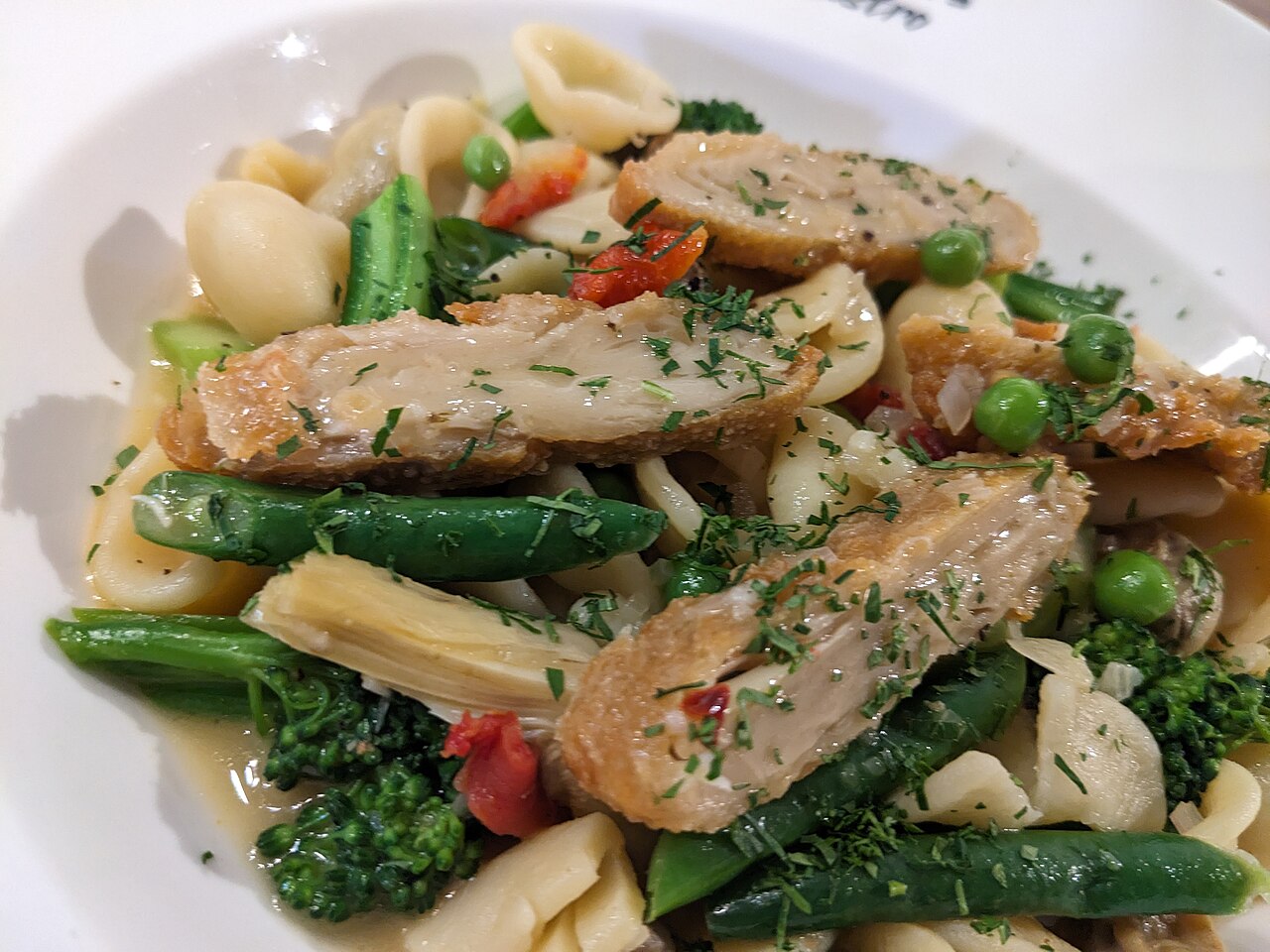
TL;DR — South Dakota's governor vetoed a permanent lab-grown meat ban on free-market grounds, then signed a five-year moratorium (2026–2031), making it the 8th US state to restrict cultivated meat.
The most interesting thing about America's lab-grown meat fight isn't the technology — it's the politics, which keep refusing to break along the lines you'd expect. Case in point: South Dakota's Republican governor blocked a permanent ban on cultivated meat, calling it a violation of conservative values, and then signed a five-year freeze on the exact same products. Both moves came from the same man within weeks.
What South Dakota actually did
On March 13, 2026, Gov. Larry Rhoden signed SB 124, a five-year moratorium barring the sale, manufacture and distribution of "cell-cultured protein" from July 1, 2026 through June 30, 2031, Green Queen reported. That makes South Dakota the eighth US state to restrict cultivated meat, joining Alabama, Mississippi, Montana, Indiana, Nebraska, Florida and Texas — with Florida's and Texas's bans facing legal challenges.
The veto is the real story
What's striking is the bill Rhoden killed. He vetoed an earlier measure that would have effectively banned cultivated meat by labeling it an "adulterated food," and his reasoning read more like a libertarian op-ed than a farm-state talking point.
"While you won't catch me eating these products, it is against our values to ban products just because we don't like them," Rhoden wrote in his veto letter, South Dakota Searchlight reported. On signing the compromise moratorium instead, he framed it as restraint: "This approach respects constitutional limits, reduces the risk of unnecessary litigation, and preserves South Dakota's long-standing commitment to free markets and agricultural leadership," he said, per Green Queen.
Translation: a permanent ban probably gets struck down in court, so a time-limited pause lets the lawsuits over other states' bans play out first.
The strange part: there's barely anything to ban
Here's the detail that makes all this legislating slightly surreal. Cultivated meat is almost impossible to actually buy in the US right now.
| US cultivated meat, early 2026 | Status |
|---|---|
| Products cleared by FDA/USDA | 5 (chicken, salmon, pork fat, poultry) |
| In grocery stores | Essentially none |
| Typical route to market | Limited restaurant partnerships |
| States restricting it | 8 |
As of early 2026, five cultivated products have cleared the joint FDA–USDA pathway, yet the category remains largely absent from grocery shelves, LegalClarity noted. So South Dakota's five-year freeze locks out an industry that wasn't selling anything there to begin with — and might not be ready to when the ban lifts in 2031.
Where it stands globally
The US patchwork looks even odder against the rest of the world. By mid-2026, cultivated meat had won regulatory approval in Israel, the Netherlands, Switzerland and Japan, with applications pending in the UK, Canada and Australia, per the National Agricultural Law Center's tracking. On the federal side, the bipartisan FAIR Labels Act of 2026 would require cell-cultivated products to carry labels clearly distinguishing them from conventional meat.
Why it matters
Cultivated meat may or may not become a real protein source. But the regulatory fight is already shaping whether it gets the chance — and the South Dakota episode shows the cleavage isn't simply pro-meat states versus Silicon Valley. It's bans versus moratoriums, free-market instincts versus protect-the-rancher instincts, all inside the same party. For a product almost no American can buy yet, that's a lot of law.
FAQ
Is lab-grown meat banned in South Dakota?
It's under a five-year moratorium. SB 124, signed March 13, 2026, bars the sale, manufacture and distribution of cell-cultured protein from July 1, 2026 through June 30, 2031 — a temporary freeze, not a permanent ban.
Why did the governor veto the permanent ban?
Gov. Larry Rhoden argued an outright ban conflicted with free-market values, writing "it is against our values to ban products just because we don't like them," and warned a permanent ban risked being struck down in court.
Can you actually buy cultivated meat in the US?
Barely. Five products have cleared FDA/USDA review (chicken, salmon, pork fat and poultry), but they're largely absent from grocery stores and have mostly appeared through limited restaurant partnerships.
Sources: South Dakota Searchlight, Green Queen, National Agricultural Law Center.
Image: Jpatokal, CC BY-SA 4.0, via Wikimedia Commons.
← Back to all posts